


Treatment of acute respiratory distress syndrome caused by COVID-19 with human umbilical cord mesenchymal stem cells
Bukreieva T, Svitina H, Nikulina V, Vega A, Chybisov O, Shablii Iu, Ustymenko A, Nemtinov P, Lobyntseva G, Skrypkina I,and Shablii V.
International journal of molecular sciences, 2023. https://doi.org/10.3390/ijms24054435
PMCID: PMC10003440
The study aimed to identify the impact of mesenchymal stem cell transplantation on the safety and clinical outcome of patients with severe COVID-19. The research focused on how lung functional status and cytokine levels changed following mesenchymal stem cell transplantation in patients with severe COVID-19 pneumonia and their correlation with fibrotic changes in the lung.
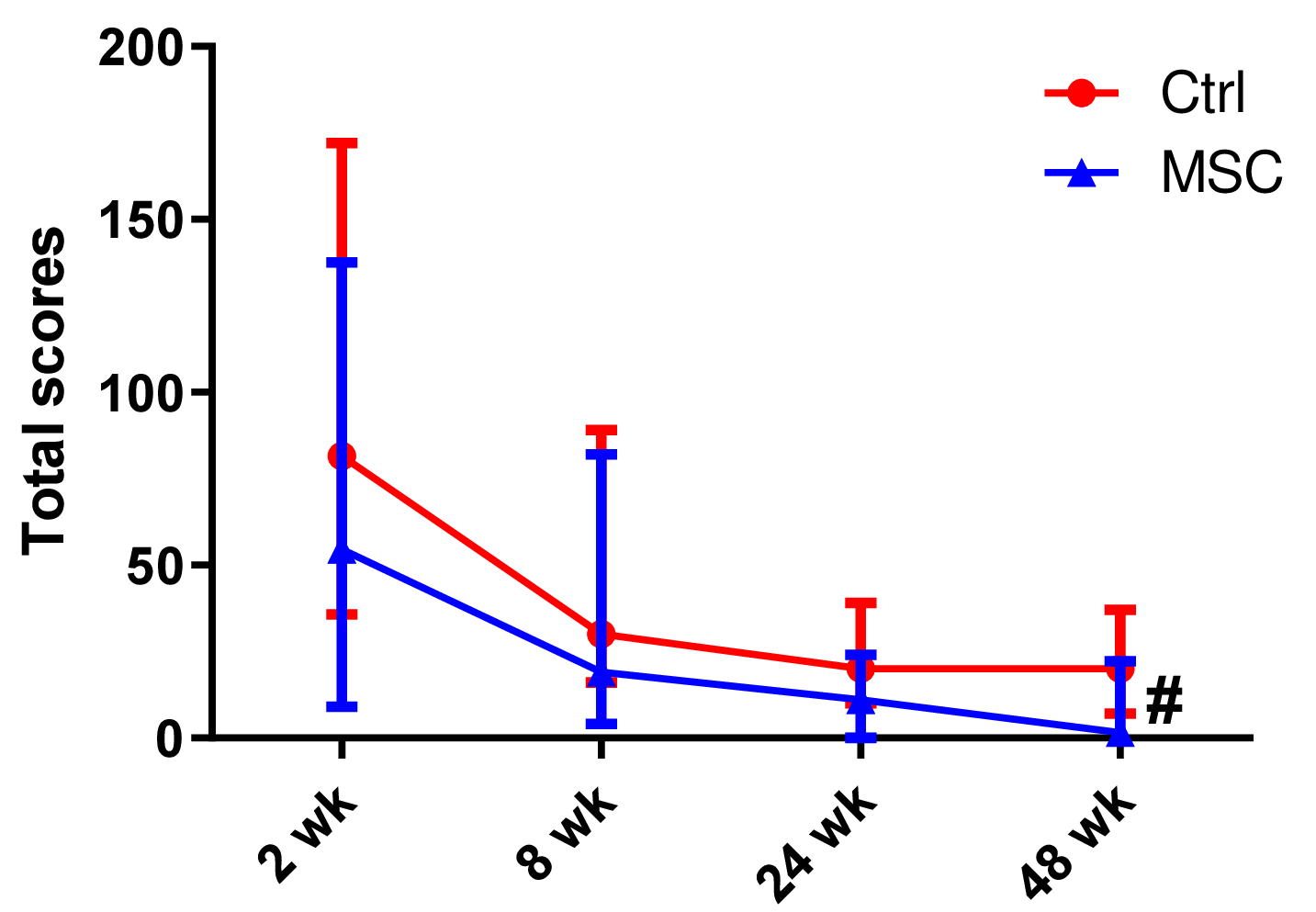
We demonstrated that triple MSC transplantation in individuals with severe COVID-19 was safe and did not cause severe adverse reactions. MSC therapy improved lymphocyte recovery and improved lung lesions in a one-year follow-up period.
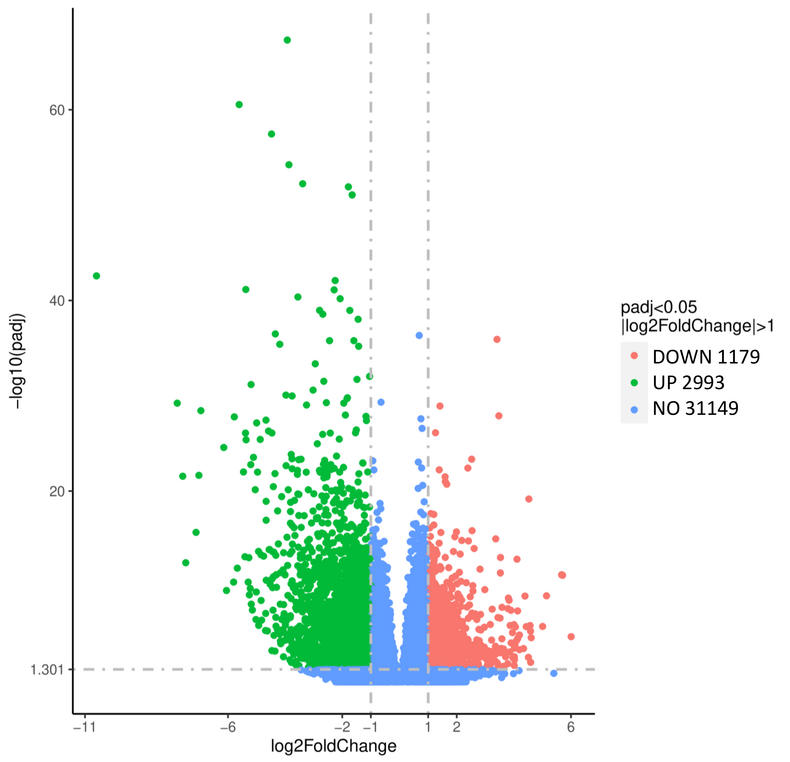
Transcriptome profiles analysis of PBMCs from patients with COVID-19 co-cultured with and without UC-MSCs revealed four thousand one hundred seventy-two genes were differentially expressed between UC-MSC and Control, 2993 were upregulated, and 1179 were downregulated in PBMCs after co-culture with UC-MSC.
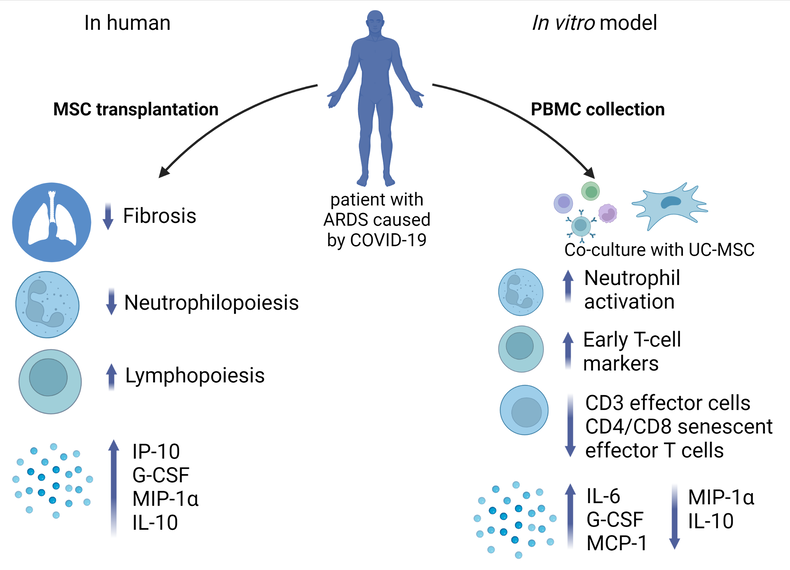
MSC transplantation led to a decrease in markers of inflammation in patients (ESR, CRP, and banded neutrophils) and reduced SP-D as one of the main markers of lung injuries. On the other hand, the increased plasma levels of some pro-inflammatory cytokines such as IP-10, MIP-1α, G-CSF, and IL-10 could suggest a more immunomodulatory effect of MSC rather than immunosuppression in patients with ARDS caused by COVID-19. In vitro, MSCs exhibited an immunomodulatory impact on PBMC, increasing neutrophil activation, phagocytosis, and leukocyte movement, early T cell markers activation, and decreasing effector and senescent effector T cell maturation.