


Expert Revision of Key Elements for Clinical-Grade Production and Qualification of Perinatal Derivatives
Gramignoli R, Hofmann N, Agudo-Barriuso M, Antica M, Flores AI, Girandon L, Kerdjoudj H, Navakauskiene R, Schiavi J, Scholz H, Shablii V, Lafarge X, Nicolás FJ, Gindraux F.
Stem Cells Transl Med, Volume 13, Issue 1, January 2024, Pages 14–29, https://doi.org/10.1093/stcltm/szad068
PMCID: PMC10785218
The article presents a comprehensive overview of the critical factors involved in the clinical-grade production and qualification of perinatal derivatives. The authors aim to provide updated guidelines and recommendations to ensure the safety, efficacy, and quality of perinatal-derived products for clinical applications. Perinatal derivatives, such as umbilical cord blood, Wharton’s jelly, placenta, and amniotic fluid, have gained significant attention in regenerative medicine due to their rich source of stem cells and bioactive molecules with potential therapeutic benefits. However, the clinical translation of these derivatives, referred to as ATMP according to EC1394/2007, requires meticulous attention to manufacturing processes, quality control, and regulatory compliance. During the past years, PnD experts from all European countries gathered and shared their experiences and protocols within COST action.
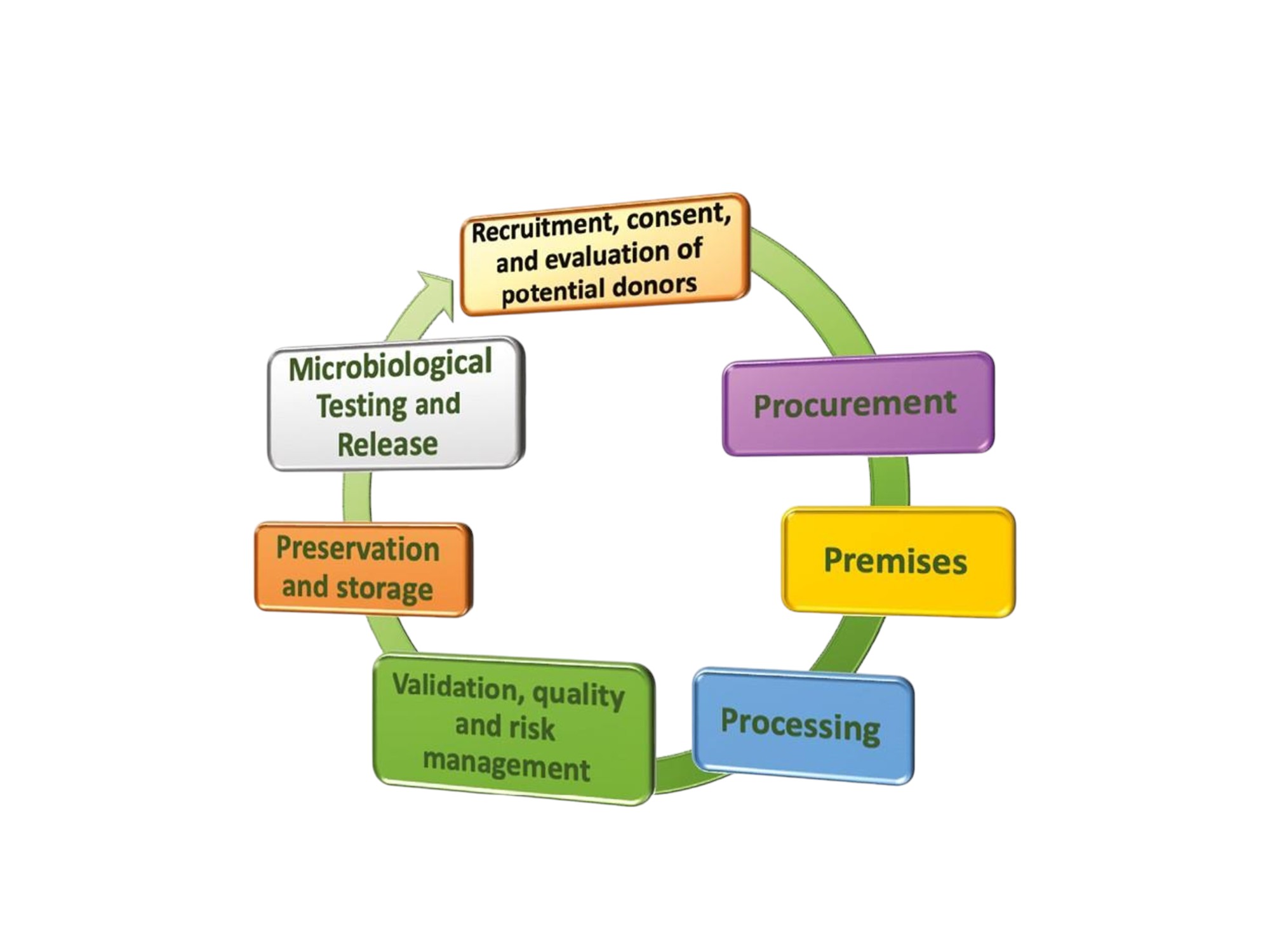
Key elements required to generate and quality PnD biomedical products
The authors emphasize the importance of standardized protocols throughout the production chain, from donor selection and tissue collection to processing, storage, and distribution. They highlight the need for adherence to good manufacturing practices (GMP) and stringent quality control measures to minimize the risk of contamination, ensure product consistency, and meet regulatory requirements. The implemented methods and the acceptance criteria should be approved by the establishment management and documented as a “validation plan” before qualification or process validation is initiated.
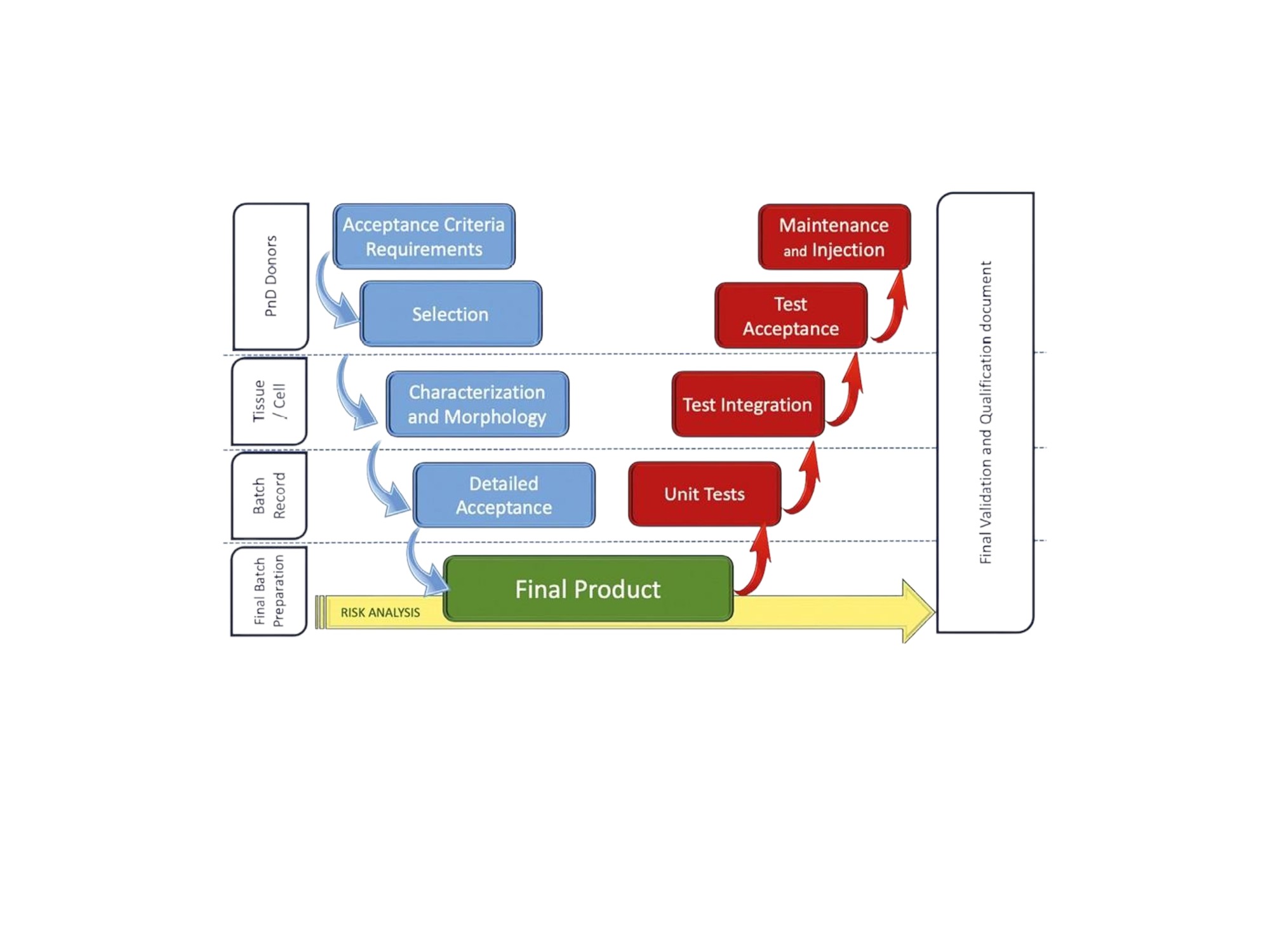
Validation plan strategy
Overall, this expert revision provides valuable insights into the critical aspects of clinical-grade production and qualification of perinatal derivatives, offering a roadmap for researchers, clinicians, and industry stakeholders involved in the development and translation of these promising therapeutic interventions in regenerative medicine.